John Douglas

Agent Details

John Douglas
Realtor, KW Sportsman Specialist
Licensed in MI
(814) 933-2274
Lansing
3490 Belle Chase Way
Lansing, MI 48911

Agent Bio

After 15 years in residential and commercial construction, I moved to mid-Michigan in 2014 when my wife, Sarah, took a position at Michigan State University. Passionate about homes and building, I transitioned to a career in real estate, combining my background as a builder, business owner, and investor to provide exceptional, personalized real estate services. In 2019, my colleague, Brooks Warner, and I united our businesses under the Mitten Home Team, growing a real estate team in the Greater Lansing/mid-Michigan area with statewide expansion in the future. We offer our clients the best real estate experience while providing career opportunities for real estate professionals. As an avid outdoorsman, I’m drawn to waterfront, hunting, and recreational properties, which aligns with my love for the outdoors and life on our 6-acre hobby farm. In 2021, I founded Michigan Barndominium Life, a thriving community of over 13,000 barndo enthusiasts focused on design, construction, and the "barndo lifestyle".

John Douglas

Ask John a Question

Agent Properties

Sold
Clinton County, MI
...
10± Acres
|
Sold
Sold
Otsego County, MI
Welcome to your dream lakefront home at 3571 W Otsego Lake Drive, Gaylord, MI! This stunning property offers unparalleled luxury and tranquility on nearly 2 acres with almost 300 feet of pristine Otsego Lake frontage. The expansive sandy beach, compl...
1.81± Acres
|
Sold
1

Ready To Talk

Contact John Douglas
Fill out the form and John Douglas will get back to you as soon as possible.

John Douglas' Recent Articles

Dreaming of buying land for sale in Michigan to call your own? Whether you envision a secluded hunting camp, a custom-built home, a business venture, or a serene waterfront retreat, buying land for sale in Michigan offers unique opportunities compared to other states, thanks to its diverse landscapes and waterfront access. However, unlike buying a finished home, this process comes with a unique set of considerations. This guide will walk you through the essential steps to make a smart, confident investment. The Basics: Zoning, Utilities, and What You Can Build When buying land for sale in Michigan, understanding zoning is your first critical step. Before you get lost in the romance of rolling hills, it's crucial to understand the property's fundamentals. Zoning: The Rules of the Game  Zoning is the single most important factor. It's the blueprint for what you can and can't do with the land, established by local cities, townships, or counties. You must contact the local municipality to verify the zoning for any parcel you're considering. This is a crucial step to confirm that your intended use—whether a home, a business, or a pole barn—is permitted. R (Rural) Zoning: This designation is often used for low-density residential areas outside of cities and towns. It typically allows for single-family homes and may also permit agricultural uses, accessory buildings like pole barns, and home-based businesses. The lot sizes are generally larger in rural zones than in standard residential areas, and the regulations are designed to maintain a spacious, country feel. AG (Agricultural) Zoning: A common rural zoning type, designed to preserve farmland. It often permits a single-family home for the property owner but can have strict limitations on the number of residences, building setbacks, and other commercial uses. Residential Zoning: This is for building a permanent home. It can range from low-density, sprawling acreage to smaller suburban lots. Always check for specific requirements on lot size and building setbacks. Commercial Zoning: This zoning is for business, retail, and office use. Due diligence here is paramount to understanding local regulations on parking, signage, and building size. Permits for Buildings  It's vital to know upfront if you plan to build on the land. In Michigan, any structure, from a primary residence to a large pole barn or garage, will likely require a building permit. The specific requirements vary by township and county, but typically include: Site Plan Review: You'll need to submit a plan showing the exact location and dimensions of all proposed buildings on the property, and their distance from property lines. Permit Application: This will likely require you to show proof of ownership, a legal description of the land, and a copy of your builder's license (or you can act as the homeowner/builder for your own property). Inspections: The building process will be subject to a series of inspections, including for the foundation, framing, and final construction. Waterfront Properties: Special Considerations One of the most appealing aspects of buying land for sale in Michigan is access to thousands of miles of shoreline. Michigan is defined by its water, and properties on a lake or river come with additional benefits and a unique set of rules. Riparian Rights: As a waterfront property owner, you have "riparian rights," which give you a special status to use the water and the submerged land adjacent to your property. These rights include the ability to install a dock, anchor a boat, and use the water for recreational purposes. However, these rights are not unlimited and are governed by state law and local ordinances to ensure they don't infringe on the rights of others. Building Setbacks: Special rules apply to building near water. Michigan’s Natural Resources and Environmental Protection Act, among other laws, often requires buildings to be set back a certain distance from the “ordinary high-water mark” of a lake or river to protect the shoreline and water quality. Special Taxes: While there is no specific "lakefront tax" in Michigan, being on the water significantly increases a property's market value. When a parcel's taxable value "uncaps" upon sale, it will be reset to 50% of the market value. This higher assessed value will result in a much larger property tax bill than for a comparable non-waterfront property. Additionally, some municipalities may have special assessments for lake management or sewer projects, so be sure to ask the local assessor's office about any of these fees.   The Critical Issue of Wetlands Michigan's landscape is dotted with wetlands, and the state has very strict laws governing them. Designated Wetlands: Building, dredging, or filling in a designated wetland requires a permit from the Michigan Department of Environment, Great Lakes, and Energy (EGLE) and/or the U.S. Army Corps of Engineers. The permit process is highly restrictive and often requires a "mitigation plan," which means you must create a new wetland of similar size and function elsewhere. Impact on Use: The presence of wetlands can significantly limit what you can do with a parcel. A large portion of a property designated as a wetland may make it impossible to build a home or a pole barn without extensive, costly, and time-consuming permits. Always check for wetlands before making an offer. You can find wetland maps and information through local government offices or the EGLE website.   Financing & The Final Checklist Financing when buying vacant land for sale in Michigan is different from getting a traditional mortgage. Because there is no existing structure, lenders view land as a higher risk. They typically require a larger down payment (20% or more is common) and may offer a shorter loan term with a higher interest rate. Local banks and credit unions are often more willing to work with land buyers than national lenders. There is also the more limited possibility of purchasing on a land contract (where the seller becomes the financier). Before you make an offer, use this checklist to ensure you've done your homework: Zoning & Permits: What is the zoning, and does it align with my intended use? Do I need a permit for the buildings I plan to construct? Survey: Has the property been surveyed? Are there any easements or rights-of-way? Utilities: What is the estimated cost to bring electricity, water, gas, and internet to the site? Water & Septic: Is municipal service available? If not, has a perc test been performed to ensure the soil can support a standard septic system or will it require an engineered system (often 50-200% more expensive)? Wetlands: Does the property contain designated wetlands, and what are the restrictions? Waterfront Rules: If applicable, what are the building setbacks from the water and what are the rules on docks and seawalls? Taxes: What will the new, uncapped property taxes be? Are there any special assessments? By following this guide, you can navigate the complexities of buying land for sale in Michigan and find the perfect plot to build your future.   Make Your Dream of Buying Land for Sale in Michigan a Reality Buying land for sale in Michigan is an exciting investment that requires careful research and planning. Whether you're looking for agricultural acreage, a residential building lot, or prime waterfront property, following this guide will help ensure your land purchase meets both your dreams and practical needs.
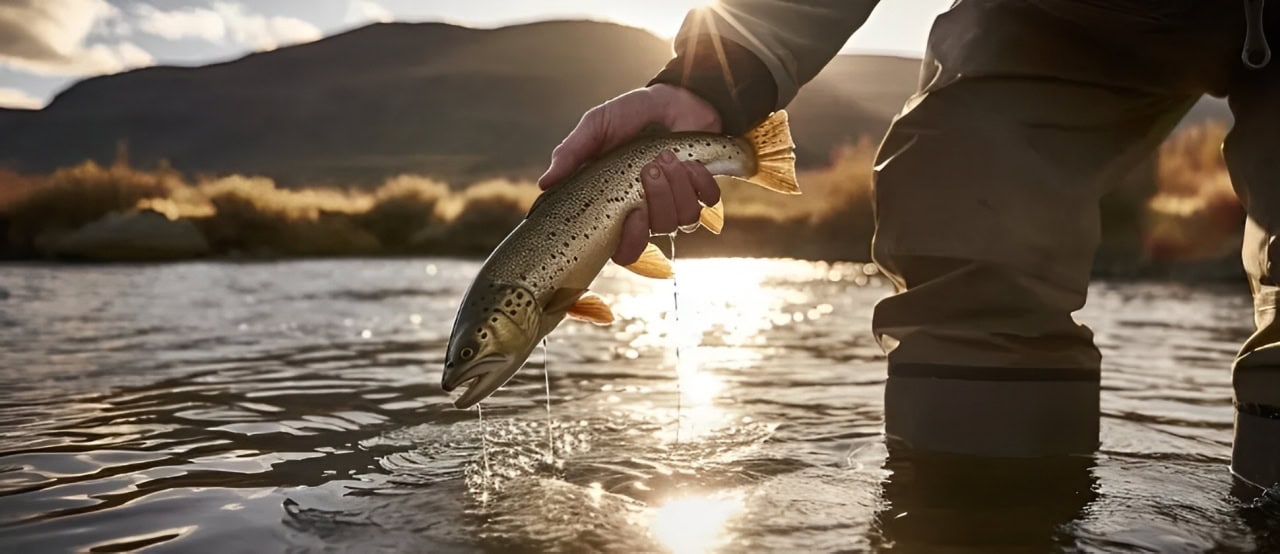
Understand What Fly Fishing Is and Its Unrivaled Appeal Across the United States What is fly fishing, exactly? At its heart, it's more than just a method of catching fish; it's an immersive experience that connects anglers to the diverse landscapes and vibrant ecosystems of the United States. For the landowner, or prospective land buyer, understanding the unique allure of fly fishing in various regions can unveil hidden values and recreational opportunities on properties across the country. It's a pursuit deeply tied to the land and water, offering a serene escape and a thrilling challenge, no matter where your interests lie. The beauty of fly fishing in the U.S. is its incredible versatility. From the highest peaks to the lowest coastal plains, a different adventure awaits, each offering a unique connection to nature and its inhabitants. This vast tapestry of waters supports a wide array of species, making the sport a year-round passion for many.   The Cold Embrace of Inland Waters: What is Fly Fishing for Trout, Salmon, and other cold water species all about? When most people envision fly fishing, their minds often drift to the pristine, cold waters of mountain streams and rivers, home to the iconic trout. But what is fly fishing like in these environments, specifically for species beyond trout? The United States is blessed with an abundance of these settings, from the legendary rivers of the Rocky Mountains, teeming with wild cutthroat, rainbow, and brown trout, to the classic spring creeks of the East, where native brook trout thrive in crystal-clear flows. Beyond the beloved trout, these colder inland waters also host formidable species like salmon and steelhead. These powerful, migratory fish offer an entirely different level of challenge and excitement for the fly angler. Their sheer size and incredible strength demand refined techniques and robust equipment, often leading to unforgettable battles in scenic, rugged settings. Steelhead, in particular, are renowned for their acrobatic displays, making them a prized target for those seeking a true test of skill. But cold-water fly fishing isn't just about the big names. Many smaller, equally captivating species inhabit these waters, from agile grayling in remote Alaskan and certain Western rivers to various types of char, like the vibrant Dolly Varden. Each species presents its own unique behaviors and feeding patterns, keeping the angler constantly engaged in the art of presentation and observation. The appeal of these cold-water fisheries often lies not just in the fish, but in the stunning, often wild, landscapes they inhabit—places where clean water and untamed wilderness define the experience.   The Warmth of the Heartlands: What is Fly Fishing for Bass, Panfish, and Other Unexpected Species Like? While cold-water fly fishing captures much of the popular imagination, the warm-water fisheries of the U.S. offer an equally rich and accessible fly fishing experience. So, what is fly fishing like when you leave the mountain streams and head to the heartland? Across the vast central and southern states, a different set of challenges and rewards awaits in lakes, ponds, and slow-moving rivers. The king of warm-water fly fishing is arguably the bass. Both largemouth and smallmouth bass are aggressive, powerful fish that readily strike a well-placed fly. Casting to a largemouth lurking in lily pads or stripping a streamer for a smallmouth in rocky river currents provides explosive action and a visceral thrill. These species are widely distributed, offering fantastic fly fishing opportunities in nearly every state, often close to urban centers, making them highly accessible. Beyond bass, the myriad species collectively known as "panfish" provide endless enjoyment, especially for those new to the sport or seeking a relaxed outing. Bluegill, crappie, perch, and sunfish are abundant, eager to strike, and incredibly fun on light fly rods. These species often inhabit smaller ponds and lakes, perfect for a quick escape, and their willingness to bite makes them an excellent introduction to the art of fly fishing. They are a testament to the idea that fly fishing isn't always about pursuing trophy fish, but about the pure joy of the tug on the line and the connection to local waters. Furthermore, many warm-water systems also hold less-conventional fly rod targets like carp and pike. Carp, often overlooked, are intelligent and challenging adversaries on a fly rod, demanding stealth and precision. Pike, with their predatory nature, offer exciting topwater blow-ups and strong fights. These diverse opportunities showcase how fly fishing extends far beyond the typical trout stream, offering thrilling pursuits in unexpected places.   The Salty Edge: Fly Fishing in Coastal Areas for Briny Beasts? For those seeking an entirely different dimension of fly fishing, the coastal waters of the United States present a world of exhilarating possibilities. So, what is fly fishing like when you venture to the salty edge of the continent? From the sun-drenched flats of Florida to the teeming estuaries of the Carolinas and the rugged coastlines of the Northeast, saltwater fly fishing offers encounters with powerful, hard-fighting species in vast, dynamic environments. Along the Southeast coast, including regions like Florida, South Carolina, and North Carolina, anglers target iconic species such as redfish, speckled trout, and snook in shallow, clear-water flats. The thrill here often comes from sight-fishing – spotting a fish, making a precise cast, and watching it track and inhale your fly. These coastal ecosystems are incredibly productive, supporting a diverse food web that makes them ideal for fly fishing. Further offshore, or in deeper coastal waters, anglers can pursue larger game fish like tarpon, permit, and even certain tuna species, requiring heavier tackle and specialized techniques for their immense power and speed. The allure of saltwater fly fishing lies in its blend of the hunt and the fight. It's often a game of patience, observation, and quick reflexes, as conditions can change rapidly with the tides and weather. The vastness of the ocean and its intricate estuarine systems provide an endless canvas for exploration.   Investing in the Angler's Dream: Land Ownership and Expert Guidance For the passionate fly angler, the ultimate dream often involves owning a piece of land that grants direct access to exceptional fishing, or at least places them in close proximity to world-class waters. Owning land with a prime trout stream flowing through it, a private pond teeming with bass, or acreage near productive saltwater flats offers more than just convenience; it's an investment in a lifestyle and a legacy. Imagine stepping out your door directly onto a pristine stretch of river, having exclusive access to a quiet lake, or being minutes away from a coastal launch point. This ownership provides unparalleled privacy, control over your fishing experience, and the opportunity to enhance habitats for desired species through responsible land management. Such properties aren't just real estate; they are a direct pathway to countless hours of recreation, rejuvenation, and connection with nature. They can also offer significant long-term value, as properties with desirable water features and recreational access are increasingly sought after. However, acquiring land with such specific attributes requires specialized knowledge. Factors like water rights, riparian access laws, floodplain regulations, habitat suitability, and even migratory patterns of fish can significantly impact the value and utility of a property for fly fishing. A standard real estate agent, while proficient in residential sales, may not possess the nuanced understanding required for these complex transactions. This is precisely where working with a specialist in land and recreational properties becomes critical. A land specialist understands the intricate details that make a property ideal for fly fishing. They can: Identify suitable water features: Beyond just "water," they know what constitutes a healthy, fish-producing environment. Navigate complex regulations: From water rights to conservation easements, they can guide you through the legalities that impact your ability to fish or manage the land. Assess habitat potential: They understand how terrain, vegetation, and existing ecosystems contribute to a robust fishery. Uncover hidden value: They can spot opportunities in properties that might be overlooked by general agents, ensuring you find the best fit for your angling pursuits. Connect you with the right resources: Whether it's a fisheries biologist or a contractor for stream enhancement, they often have a network of relevant professionals. Investing in land for fly fishing is about securing your personal haven and future adventures. Partnering with a member of KW LAND® ensures you're not just buying acreage, but truly investing in your passion, with expert guidance every step of the way.