


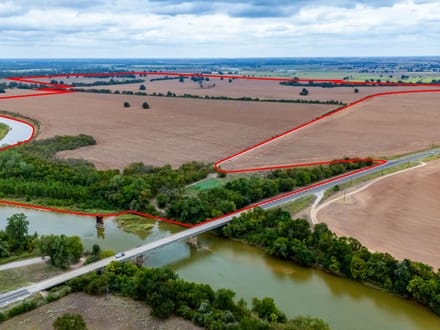
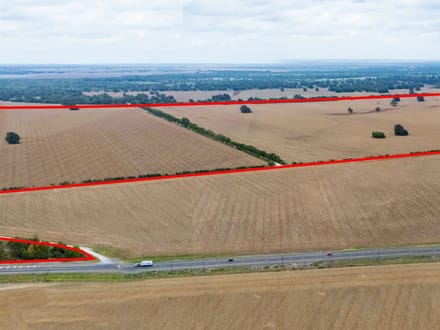
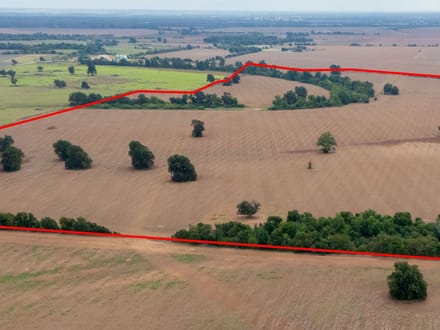
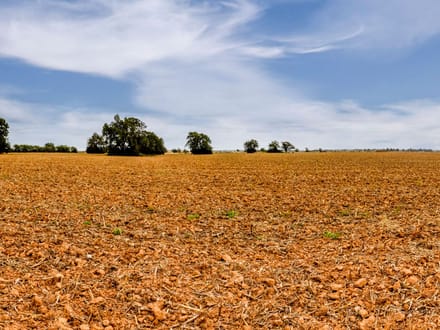
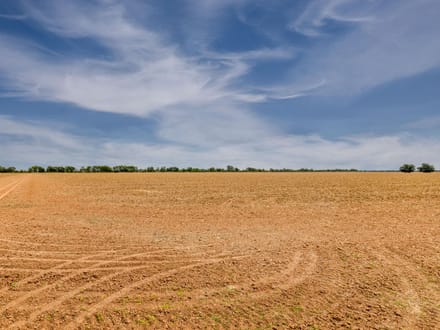
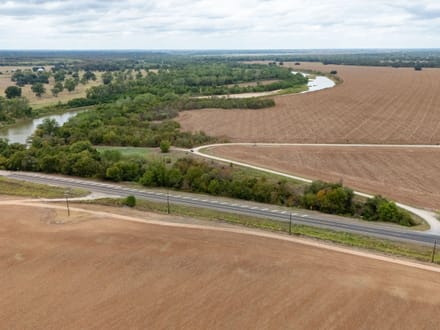
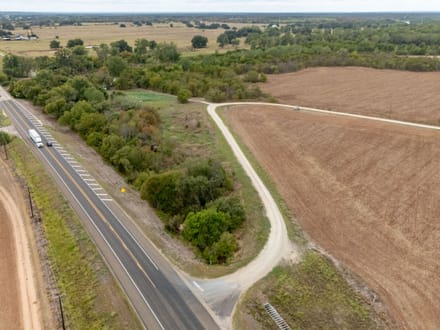
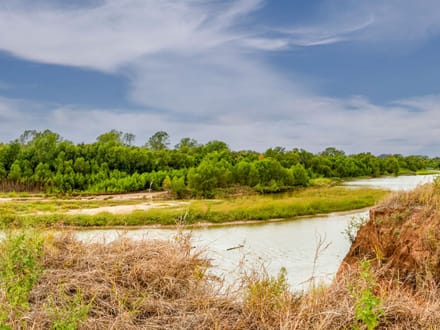
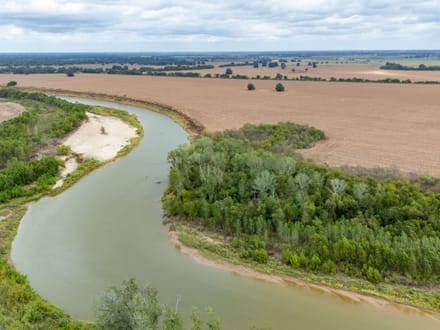
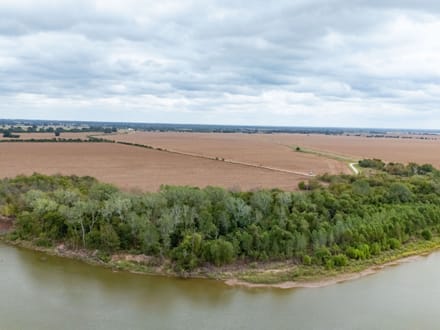


Texas is more than a ranching state. It’s also one of the largest farming states in the country. The kind of farm you find depends on where in Texas you look.
Central Texas grows cotton, corn, and small grains in the Blackland Prairie. The High Plains and Rolling Plains run heavy cotton and wheat, much of it irrigated. The Rio Grande Valley produces vegetables and citrus with one of the longest growing seasons in the country. East Texas mixes row crops, dairy, and improved pasture.
Browse Texas farms for sale to see what’s available across each region.
Why buyers like Texas farmland
- Many distinct farming regions to choose from
- Long growing seasons, especially in South Texas
- Property tax breaks for qualifying agricultural land
- Strong markets for cotton, grain, vegetables, and dairy
- A deep buyer pool when it’s time to sell
Frequently Asked Questions
Which region of Texas is best for farming?
It depends on what you want to grow. The Blackland Prairie suits row crops on heavy soils. The High Plains and Rolling Plains are cotton and wheat country. The Rio Grande Valley grows vegetables and citrus. East Texas works well for mixed operations.
Are Texas farms irrigated?
Some are, some aren’t. Many High Plains farms rely on irrigation. Central and East Texas farms more often run dryland. Confirm irrigation on any farm before you offer.
Do Texas farms come with mineral rights?
Sometimes. Texas often separates surface and mineral rights, so the seller may not own the minerals under the farm. Your KW Land agent and title company can help you sort out what’s included.